
Cohort visibility
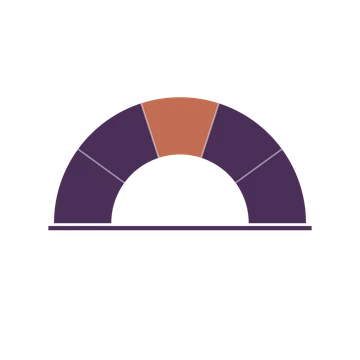
See activity, readiness, gaps, and support needs without rebuilding the picture manually.
Project Bridge gives students one place to prepare the stories, essays, scholarships, financial aid steps, and next decisions behind their plans after high school.
Counselors get a clearer view across the caseload: who is moving, who has stalled, what is missing, and where their attention can make the biggest difference.
See activity, readiness, gaps, and support needs without rebuilding the picture manually.
Stories, essays, scholarship actions, and next steps stay connected in one place.
Counselors know where to step in before students become deadline emergencies.

Start with your goals, your counseling process, and the students you already serve.
Project Bridge keeps student work and adult visibility connected. School leaders see whether readiness is moving. Counselors see where intervention matters. Students see what to work on next.
Project Bridge does not replace counseling. It helps counselors enter the right conversation with more context, instead of reconstructing student progress one person at a time.
A more consistent readiness process, cohort-level visibility, and evidence of whether students are creating usable materials and moving important next steps forward.

One place to organize experiences, strengthen stories, work through essays, explore opportunities, prepare for financial aid, and understand what to tackle next.
A school can begin with a grade level, seminar, advising cohort, college-access program, or another defined group. Project Bridge provides the common workspace while your team keeps ownership of the program.

Choose the students, timeline, and adults involved.
Set counselor roles, school visibility, and support expectations.
Students organize their materials, stories, applications, and next steps.
Counselors use the dashboard to guide timely support.
A senior seminar may need Project Bridge twice a week. A college counseling team may use it through application season. Juniors may focus first on pathways and preparation. The system adapts to the model already in place.
Your Model
Your Model
Schools should understand how student information is handled before asking students to use a new system. Project Bridge uses role-based access, explicit school and counselor relationships, and clear boundaries for how AI supports student work.
Students, counselors, school administrators, and platform administrators have different access appropriate to their responsibilities.
School deployments can establish data-use terms, consent expectations, and access responsibilities before launch.
The student remains the source of the work. AI helps with reflection, organization, and feedback. It should not fabricate experiences or replace the student's judgment.
One shared readiness layer can support different campus rhythms without forcing every school into the same operating model.
Senior seminar, twice weekly
College counseling, application season
Junior cohort, pathway preparation
Project Bridge supports multiple schools, defined user roles, counselor assignments, and student records from the start. A network can establish common readiness expectations without forcing every campus into the same operating rhythm.
One school may use Project Bridge through senior seminar. Another may anchor it inside college counseling. Another may begin earlier with juniors and pathway exploration. The shared layer is the readiness process and the visibility it creates.
Depending on local program design, student population, state requirements, and funding rules, Project Bridge may align with existing college and career readiness, student support, technology, or access initiatives.
Potential fit where Project Bridge supports a broader schoolwide strategy for students who need stronger access to readiness guidance and follow-through.
Potential fit where local plans connect college and career readiness, student support, or effective use of technology with the intended implementation.
Potential fit for eligible cohorts, college-access programs, and state or local college and career readiness initiatives.
A walkthrough starts with your current process, not a canned product tour. We look at how students prepare today, what counselors can currently see, and where Project Bridge could add useful structure and visibility without creating a parallel process.
Request a walkthrough →